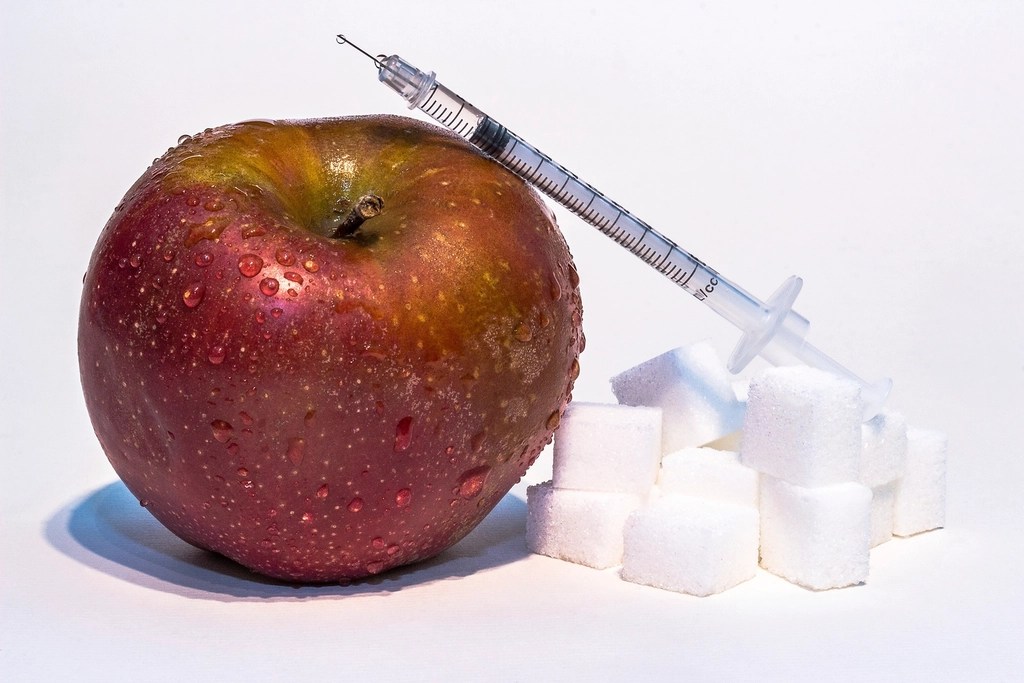
Diabetes Mellitus basically means that your body is not processing sugar – glucose – properly, leaving your blood sugar levels high. Why does that happen? Let’s discuss.
When you’re diagnosed, doctors usually rely on a test called HbA1c, or glycosylated hemoglobin. This measures how much hemoglobin in your blood is bonded to glucose over the past three months. When your body has a little more sugar than it should, it binds to hemoglobin. If that percentage is high, it’s a warning sign – well, you are in trouble.
There are two main types of diabetes mellitus, broadly classified as insulin-dependent (Type I) and insulin-resistant (Type II).
Type I Diabetes, or insulin-dependent diabetes, usually develops in children. The beta cells of the islets of Langerhans in the pancreas cannot produce enough insulin. This is usually caused by autoimmune destruction, meaning the body attacks its own pancreas. People with Type I need an external supply of insulin to maintain healthy blood sugar levels.
Type II Diabetes, on the other hand, is often linked to insulin resistance – the body produces insulin but cannot use it effectively. Most people diagnosed with Type II are overweight, have sedentary lifestyles, and eat poorly. Can it be reversed? Yes – and not many people discuss this. Because the body still produces insulin, proper diet, exercise, and medication can help restore normal sugar levels. Monitoring is done through tests like HbA1c, fasting blood sugar, post-meal blood sugar, and random blood sugar.
What happens to those who do not take care of themselves? This is where complications begin. High blood sugar puts stress on every organ system. Excess sugar can turn into fat and even Type I diabetics can become overweight. Fat deposits accumulate around visceral organs, inside blood vessels, and in the liver, straining them. Fatty liver disease can progress to non-alcoholic cirrhosis. The kidneys undergo tremendous stress, and blood vessel blockages increase vulnerability to heart attacks and strokes. Reduced blood flow to the eyes can damage retinal cells, causing blindness. Poor circulation to the limbs can lead to gangrene – infection sets in where blood supply and immune response cannot reach, and tissue dies, requiring removal.
High blood sugar also feeds harmful bacteria, making infections harder to treat. And here’s the vicious cycle: the infection itself keeps blood sugar high, because the body responds to infection with stress hormones that raise glucose levels. So, the sugar feeds the bacteria, and the bacteria keep sugar levels elevated – creating a loop that is difficult to break without careful medical intervention.
Understanding all this – the mechanisms, the complications, the vicious cycles – can be daunting. But knowledge is power. For me, seeing these numbers and understanding the risks was both frightening and motivating. It’s why I’ve committed to taking care of myself, not just with diet and exercise, but with awareness and respect for my body.
I started this journey overweight and facing the threat of diabetes. Today, I am proud to say I have reversed it – I am pre-diabetic. Prediabetes is a warning, not a sentence. With consistent effort, small lifestyle changes, and careful monitoring, it can be reversed. Every choice – the food I eat, the steps I take, the workouts I complete – is a step toward breaking these cycles before they cause harm.
Diabetes isn’t just about sugar. It’s about health, self-discipline, and the relationship we have with our bodies. And for me, that relationship is worth fighting for, one day, one meal, and one workout at a time.
 The Scientist's Corner
Leave a comment