Tag: health

  • Understanding Diabetes Mellitus

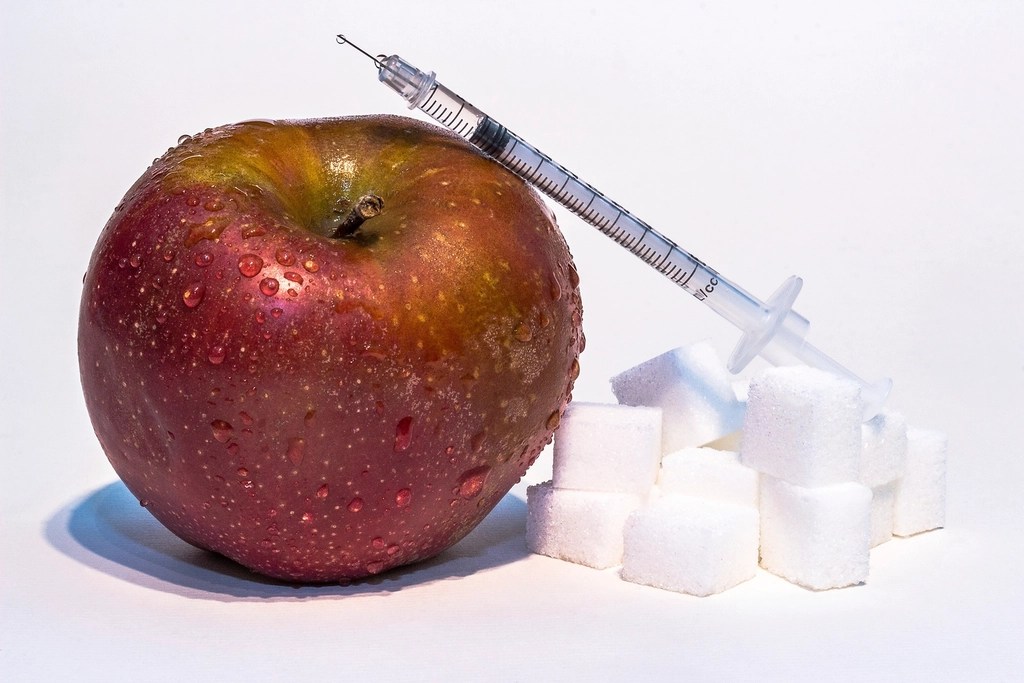
    Diabetes Mellitus basically means that your body is not processing sugar – glucose – properly, leaving your blood sugar levels high. Why does that happen? Let’s discuss.

    When you’re diagnosed, doctors usually rely on a test called HbA1c, or glycosylated hemoglobin. This measures how much hemoglobin in your blood is bonded to glucose over the past three months. When your body has a little more sugar than it should, it binds to hemoglobin. If that percentage is high, it’s a warning sign – well, you are in trouble.

    There are two main types of diabetes mellitus, broadly classified as insulin-dependent (Type I) and insulin-resistant (Type II).

    Type I Diabetes, or insulin-dependent diabetes, usually develops in children. The beta cells of the islets of Langerhans in the pancreas cannot produce enough insulin. This is usually caused by autoimmune destruction, meaning the body attacks its own pancreas. People with Type I need an external supply of insulin to maintain healthy blood sugar levels.

    Type II Diabetes, on the other hand, is often linked to insulin resistance – the body produces insulin but cannot use it effectively. Most people diagnosed with Type II are overweight, have sedentary lifestyles, and eat poorly. Can it be reversed? Yes – and not many people discuss this. Because the body still produces insulin, proper diet, exercise, and medication can help restore normal sugar levels. Monitoring is done through tests like HbA1c, fasting blood sugar, post-meal blood sugar, and random blood sugar.

    What happens to those who do not take care of themselves? This is where complications begin. High blood sugar puts stress on every organ system. Excess sugar can turn into fat and even Type I diabetics can become overweight. Fat deposits accumulate around visceral organs, inside blood vessels, and in the liver, straining them. Fatty liver disease can progress to non-alcoholic cirrhosis. The kidneys undergo tremendous stress, and blood vessel blockages increase vulnerability to heart attacks and strokes. Reduced blood flow to the eyes can damage retinal cells, causing blindness. Poor circulation to the limbs can lead to gangrene – infection sets in where blood supply and immune response cannot reach, and tissue dies, requiring removal.

    High blood sugar also feeds harmful bacteria, making infections harder to treat. And here’s the vicious cycle: the infection itself keeps blood sugar high, because the body responds to infection with stress hormones that raise glucose levels. So, the sugar feeds the bacteria, and the bacteria keep sugar levels elevated – creating a loop that is difficult to break without careful medical intervention.

    Understanding all this – the mechanisms, the complications, the vicious cycles – can be daunting. But knowledge is power. For me, seeing these numbers and understanding the risks was both frightening and motivating. It’s why I’ve committed to taking care of myself, not just with diet and exercise, but with awareness and respect for my body.

    I started this journey overweight and facing the threat of diabetes. Today, I am proud to say I have reversed it – I am pre-diabetic. Prediabetes is a warning, not a sentence. With consistent effort, small lifestyle changes, and careful monitoring, it can be reversed. Every choice – the food I eat, the steps I take, the workouts I complete – is a step toward breaking these cycles before they cause harm.

    Diabetes isn’t just about sugar. It’s about health, self-discipline, and the relationship we have with our bodies. And for me, that relationship is worth fighting for, one day, one meal, and one workout at a time.

  • My Aims in Life

    My interest in biomedical research in oncology began with intellectual curiosity but deepened through a personal encounter with physiological dysfunction that remained unrecognized for years. From 2017 through the end of my undergraduate studies in 2019, I experienced severe menorrhagia, chronic fatigue, unnatural weight gain, and debilitating headaches that steadily eroded my stamina and cognitive clarity. Medical consultations repeatedly concluded with broad assumptions that are common amongst gynaecologists in India who rely on limited tools available to diagnose “unmarried women” – PCOS, weight-related issues, or possible endometriosis. These explanations never accounted for the intensity of my symptoms, yet without further investigation, they became the default narrative combined with unfortunate and dismissive remarks, OCPs for the bleeding and paracetamol for the headache that unfortunately did nothing to eliminate the root of the problem. I completed my undergraduate degree in this state, often managing only the limited goal of “If I can just pass, that will be enough,” because that was all my body allowed.

    A turning point came only during the first year of my graduate program, when I finally underwent a complete hormonal evaluation at the university hospital. The results after a battery of tests revealed the actual cause: a 0.5 mm pituitary microadenoma, a benign tumour responsible for persistent hyperprolactinemia. Its size made surgery unnecessary, but it did need medical management. As treatment took effect, the fatigue and the brain fog that had shaped my undergraduate performance began to lift. My physical and intellectual capacities finally began to realign. And I passed my graduate degree with distinction.

    This clarifies something essential: my undergraduate transcript reflects an untreated and undiagnosed illness that was unfairly dismissed, not my academic ability. The diagnosis came too late to alter the record, but it fundamentally changed the context in which I understand it.

    My graduate years coincided with a return to physiological and academic stability. As my health improved, so did my academic performance. I completed my Master of Pharmacy degree with First Class (Distinction) while still receiving treatment, contributed to ongoing research during my graduate thesis (after a brief health-related sabbatical), and co-authored a publication stemming from my undergraduate work. These achievements reflect my capabilities once health was no longer an obstacle, while also illustrating how delayed or incomplete diagnoses can profoundly reshape academic and professional trajectories, often leaving individuals unfairly labelled as “underachievers.”

    My personal history has strongly influenced my research interests, particularly in ovarian cancers, where diagnoses are given typically late into disease development. My experience with an overlooked endocrine disorder has made me acutely aware of how frequently women’s symptoms are minimized or attributed to generic causes, allowing underlying pathologies to progress unnoticed. I am especially interested in the molecular and signalling disruptions that initiate and sustain these cancers, the interplay between hormonal regulation and tumour behaviour, and how early-stage alterations can be leveraged for improved detection or therapeutic intervention.

    Through my coursework and laboratory experience in both my undergraduate and master’s degree, I have developed a solid foundation in molecular biology, cell biology, genetics, and cancer-related biochemical pathways. I aim to build on this foundation in a research environment committed to rigour, clarity, and translational relevance. My goal is to contribute meaningfully to molecular oncology, particularly in areas where improved mechanistic understanding can enhance early diagnosis and patient outcomes.

    I now seek to join a program where I can apply my training, persistence, and scientific commitment to impactful work. The challenges of my undergraduate years do not define my capability; they provide context for my resilience and focus. I am determined to advance research in ovarian cancers through careful inquiry, strong molecular grounding, and a commitment to bridging fundamental biology with better diagnostic and therapeutic possibilities.

  • Step Four: Conquering the Double Digits and the Aesthetics of Weight Loss

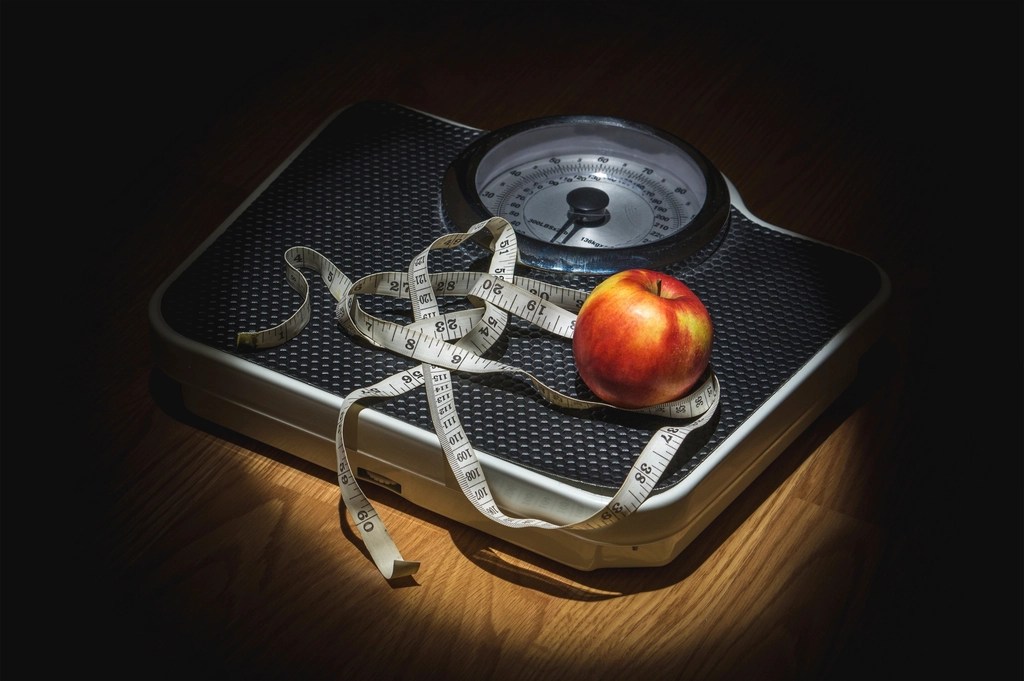
    A week ago, I stood on the weighing scale – after a very long time. Not many people in the health industry are upfront about how stressful it is to stand on that little square that digitally tells you how much you weigh. Because those numbers, somehow, tell a lot about you.

    I started my weight-loss journey on the first of July this year. I weighed 112 kilograms – that’s about 246 pounds. And yes, I had all the wonderful complications that came with it: insulin-resistant Type II diabetes. Now, I’m writing this on the 28th of October, here in Hyderabad, India – and I weigh a cool 96.6 kilograms.

    It’s not something to boast about, yes – because I’m still obese, yes. But do you know why I’m so happy? The last time I weighed anywhere near that, I was a teenager. Now, I’m 27 years old. It means it’s been nearly a decade since I last saw double digits. And my diabetes? According to my specialist, it’s officially in remission – I’m now classified as prediabetic.

    I’ll be honest here. I’ve never been stringent with my diet – I don’t measure portion sizes or count macros and micros. I’ve always been truthful about that. I do occasionally indulge, but my healthy-to-unhealthy ratio is roughly 85–15. Any stricter, and I’d have gone bonkers and long abandoned this path. I still feel the aches, the stiffness after a hard workout – but my shins have visible muscle. I don’t even have to flex! And my biceps? Harder than ever. Clothes from years ago now fit me again – and that feels incredible.

    But before I continue to regale you with the sexiness of gaining muscle and losing fat, let me tell you about the other side – the ugly side – of going from obese to fit, especially as a woman.

    I’ve always been curvy, even at my fittest. Now, I sag in places I’d rather not – especially at 27. My abdomen has loose skin (a lot of it), and I suspect it will soon become a hygiene issue. I live in the tropics, and I sweat more than the average person. My arms jiggle. Luckily, I don’t have cellulite – at least that, I can be thankful for.

    So, you’re stuck in a paradox – you look good, you feel good… but you’re still scarred underneath it all. Weight loss might seem straightforward – diet, exercise, discipline – but the truth is, not all sides of it are discussed. Your skin follows the laws of elasticity, and once it stretches beyond a certain point, it can’t simply bounce back.

  • Step Three: The first 10. Yes, I lost my first 10 kilos… and yes, there is more to come.

    On the first of July this year, I embarked on a journey – a journey that involved caloric deficits, personal trainers, and the occasional cheat meal to keep me sane and on track. As I have said before, it is difficult. Very difficult. But it is worth it. Worth it in the long run.

    It has been 53 days since I began walking the path that many people do take – yes – but a lot of them abandon halfway through because it is unforgiving. I sometimes debate leaving it as well, especially when my legs hurt a little too much, or my back feels like a steel rod, or when I see foodstuffs that beckon me like a siren does a sailor.

    Then, I looked at myself in the mirror. I looked at the readings on the glucose monitor… and suddenly, clothes that did not fit me a couple of years ago began fitting me. And I went – Woah! My neck is now visible. My friends say that I look nice. Compliments are raining upon me like the monsoon in Mumbai. It made me feel like dancing the conga.

    But weight loss has a serious side to it. Not many people talk about it. And that side will test you. Losing fat mass – and a little muscle mass along the way, despite resistance training – leaves me tired. The body is adapting, and adaptation takes energy.

    When your body has long lived with insulin resistance, regaining sensitivity is both a blessing and a bane. Glucose finally leaves the blood and enters cells, but if food intake doesn’t keep up, that dip feels like weakness. At the same time, leptin – my hunger hormone, ignored for years – suddenly works again. Less hunger means less eating, which only adds to the fatigue. Thanks, leptin. (/s)

    And suddenly, weights that once felt manageable now feel impossible. It isn’t permanent loss – it’s the temporary cost of being in deficit. I have to rebuild that strength, slowly. My desire to dance the conga? It is secondary to my desire to want to rest.

    As insulin begins working properly again, glucose leaves my blood faster. Without enough food intake to balance it, my sugar levels dip — and I feel it. The mental clarity I first gained with weight loss? It now wavers, like palm trees in a hurricane, every time my blood sugar dips too low. And my determination? Less that is said about it, the better. I begin resisting the temptation of wanting to abandon my post at the gym.

    I, too, sometimes want to abandon my post at the gym. Then I remember that it was not my dime, but my mom’s that paid for it. It was my mother and father who were worried like hell seeing my health fail in my early twenties. It was them who stayed up nights in Hyderabad, unable to leave because of responsibilities, while I was wheeled to the ER at 3 AM in an ambulance from my dorm room in Manipal as a grad student.

    At 27, I am inching closer to being back in the territory of the double digits. I cannot abandon post – it is akin to treason. To myself and my parents. So, if I feel weak, I will take a glass of electrolytes with just a bit of glucose and say “Chale chalo!” because only a battle has been won… not the war.

  • Step Two: What is it like to truly admit to mistakes and correcting them?

    I wrote a rather long post on introspection two months ago. I am proud to say it has culminated into action. It is not simple. It is hard. And yes, I fumbled, and I still am fumbling – I am writing this post right after I devoured a slice of red velvet cake.

    The fumbling, I noticed has helped me be sane and true to myself. It is like a pitcher of cool and sugary lemonade while I take the arduous path through the desert of discipline, personal training and weekly leg days.

    To admit having made a mistake, especially as an adult, is very difficult. Because it is like taking a gut punch to your ego. You have grown up. Mistakes and rectification should now not be your domain. You are not a child and being told off like you are one – is not nice. Trust me, it is not. While it should be humbling, the experience of being told off because you are not taking care of yourself is humiliating.

    I was 112 kilos when I had written the last post. Now I am a 105. Do not get me wrong, it is something that makes me squeal with excitement. I am thankful to my trainer for listening to me yell at him every time I complained and still say “You can do it”. My glucometer is equally as thankful – My diabetes has gone down to prediabetes. But the road is still rocky and bloody hard. Because at my healthiest? I was 64 kilograms in weight.

    I am not indulging in junk, now (mostly). But I did cheat quite a bit in the beginning. But instead of scolding myself, I reassured myself – It is okay. That positivity helped me. And so did a lot of cooking that I did myself. I am a good cook, no shame in admitting that. And tasting food chain “food” after eating freshly tempered dal with roti? Not fun. The contrast helped me reduce cheating and develop a meaningful relationship with food. I still eat from good bakeries and outlets known for making good food once or twice a week. That makes it feel less mundane and guilt-free. Gives me a break as well.

    The work in the gym? 90 minutes a day, 6 days a week. I only take Sundays off. I need to do this, and I will do it. It is bloody hard. It is painful and I cursed like a longshoreman in the beginning; but I still did it. My muscles felt stiff. I walked like I was C3PO after my first ever leg day. But I put in the work. I was not doing it for aesthetics (though it is a bonus) or hitting on a fellow gym goer, I was and am doing it because my A1C numbers say “Shame on you” to me. I am doing it because now I can jog on the treadmill for 3 minutes straight without huffing and puffing – It makes me feel bloody good. I am doing it because good food makes me go – “Wow!” and I do not want to trade that experience for anything anymore. So today, as I am 7 kilos lighter, I am charting a course to 99 – to double digits first – because smaller and meaningful goals are more attainable and in the long run… I will be happier.

  • Step One: Introspection on Health Mistakes

    Step One: Introspection on Health Mistakes

    I am obese and my health is teetering on the cliff to the oblivion of ill-health with Type II Diabetes and all its symptoms. I need to prevent this from becoming permanent. Therefore, taking care of this one thing that is truly mine – my body – is my responsibility.

    My becoming obese was due to a combination of factors including irresponsibility, laziness, hormonal havoc, and stress due to hospitalization. Now that I have regained control of this chariot called life, I have decided that I have to do every thing I can to possibly make it healthy and happy.

    I initially tried group workout classes – Zumba, simple weight exercises, yoga, etc. But I noticed one thing, like a child with an open cookie jar and no parent to monitor them, my tendency to slip and imbibe in junk won over. Luckily, the workouts countered my idiocy and I did not gain any weight – but, I did not lose any, either.

    It has been a year, with a background in medical research I am well aware that Type II Diabetes can go into remission when it occurs as a consequence of insulin resistance due to obesity. Having a metabolic disease like diabetes in your 20s with a fully functioning pancreas is a disservice to one’s body – especially when it is a consequence of overindulgence and gluttony. What makes it worse is my craving control is hanging on by a thread which is threatening to snap.

    Some things here:

    1. Robert Lustig’s hypothesis about junk’s empty calories making us want to come back for more like an addict has some merit – especially during periods of stress which are more frequent than not these days.
    2. I love food and I need to learn how to redirect that love to better foods and wider cuisines not desecrated versions of the same. An Italian pizza is not the same as those sold by chains.
    3. Developing a healthy relationship with food is not as simple as avoiding it. It also means actively working on my mental health.

    The third point cuts especially deep as I know that working on my mental health means acknowledging a lot of fears and confronting them head on. But, if I won’t let them pass, they will consume me even more than they already have. I have been trapped in a vicious cycle of avoidance due to fear of success – a path that has led to me to failure and poor mental health; feeding into even more stress and on it goes again. I lost my hobbies, my attention span, and even my already small amount of patience to this monster. Now it is ready to consume my physical health as well. It is time that I won’t let it control me. I only have some confidence left in me. I won’t let it snatch that away.